
Essential Safety Procedures for Appliance Repair Technicians
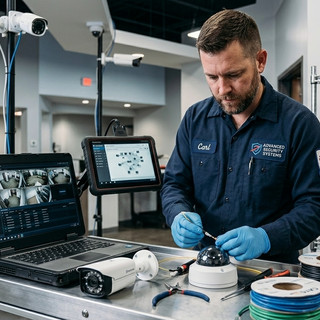
Appliance repair technicians play a crucial role in maintaining the functionality of household appliances. However, this job comes with its own set of risks. From electrical hazards to potential injuries from heavy equipment, safety should always be a top priority. In this post, we will explore essential safety procedures that every appliance repair technician should follow to ensure their safety and the safety of their clients.

Understanding the Risks
Before diving into safety procedures, it’s important to understand the common risks associated with appliance repair. These include:
Electrical Hazards: Working with electrical appliances can lead to electric shocks or fires if proper precautions are not taken.
Heavy Lifting: Many appliances are bulky and heavy, which can lead to back injuries if not lifted correctly.
Chemical Exposure: Some appliances may contain hazardous materials, such as refrigerants or cleaning agents.
Cuts and Scrapes: Sharp edges and tools can cause injuries if not handled properly.
By recognizing these risks, technicians can take proactive steps to mitigate them.
Personal Protective Equipment (PPE)
One of the most effective ways to ensure safety is through the use of personal protective equipment (PPE). Here are some essential items every technician should have:
Safety Glasses: Protects the eyes from debris and chemical splashes.
Gloves: Provides grip and protects hands from sharp objects and chemicals.
Steel-Toed Boots: Protects feet from heavy items that may fall during repairs.
Hard Hats: Necessary when working in environments where there is a risk of falling objects.
Using the right PPE can significantly reduce the risk of injury.
Electrical Safety Procedures
When working with electrical appliances, following specific safety procedures is crucial. Here are some key steps:
Disconnect Power: Always unplug the appliance before starting any repair work. If the appliance is hardwired, turn off the circuit breaker.
Use Insulated Tools: Insulated tools can help prevent electric shocks. Ensure that tools are in good condition and free from damage.
Test for Voltage: Before touching any electrical components, use a multimeter to check for voltage. This ensures that the appliance is not live.
Follow Lockout/Tagout Procedures: If working in a commercial setting, follow lockout/tagout procedures to ensure that the appliance cannot be accidentally powered on while being serviced.
By adhering to these electrical safety procedures, technicians can minimize the risk of electric shock.
Lifting Techniques
Heavy lifting is a common part of appliance repair. To avoid injuries, technicians should follow proper lifting techniques:
Assess the Load: Before lifting, evaluate the weight and size of the appliance. If it’s too heavy, ask for assistance or use equipment like dollies.
Use Your Legs: Bend at the knees, not the waist. This technique uses the strength of your legs rather than your back.
Keep the Load Close: Hold the appliance as close to your body as possible to reduce strain on your back.
Avoid Twisting: When moving, turn your whole body instead of twisting at the waist.
By using these techniques, technicians can prevent back injuries and other lifting-related issues.
Chemical Safety
Appliance repair may involve handling chemicals, such as refrigerants or cleaning agents. Here are some safety tips:
Read Labels: Always read the labels and safety data sheets (SDS) for any chemicals you are using. This will provide information on hazards and proper handling.
Use in Well-Ventilated Areas: Ensure that you are working in a well-ventilated space to avoid inhaling fumes.
Wear Appropriate PPE: Use gloves and goggles when handling chemicals to protect your skin and eyes.
Dispose of Chemicals Properly: Follow local regulations for disposing of hazardous materials.
By following these chemical safety tips, technicians can protect themselves from harmful exposures.
Tool Safety
Tools are essential for appliance repair, but they can also pose risks if not used correctly. Here are some safety practices:
Inspect Tools Regularly: Check tools for damage before use. Replace any tools that are worn or broken.
Use the Right Tool for the Job: Using the correct tool can prevent accidents and improve efficiency.
Store Tools Safely: Keep tools organized and stored properly to prevent accidents.
Follow Manufacturer Instructions: Always read and follow the manufacturer's instructions for tools and equipment.
By practicing tool safety, technicians can reduce the likelihood of accidents.
Working in Confined Spaces
Appliance repair often requires working in tight or confined spaces. Here are some safety tips for these situations:
Ensure Adequate Lighting: Use portable lights to illuminate dark areas, reducing the risk of accidents.
Be Aware of Your Surroundings: Keep an eye out for hazards such as sharp edges or unstable surfaces.
Take Breaks: If working in a confined space for an extended period, take breaks to avoid fatigue.
Use a Spotter: If possible, have someone nearby to assist or monitor your safety.
By being cautious in confined spaces, technicians can avoid injuries.
Emergency Procedures
Despite taking precautions, emergencies can still occur. Here’s how to prepare:
Know Emergency Contacts: Have a list of emergency contacts, including local emergency services and poison control.
Keep a First Aid Kit: Ensure that a well-stocked first aid kit is readily available on-site.
Learn Basic First Aid: Familiarize yourself with basic first aid procedures, including how to treat burns, cuts, and electrical shocks.
Have an Emergency Plan: Develop a plan for what to do in case of an emergency, including evacuation routes.
By being prepared for emergencies, technicians can respond quickly and effectively.
Training and Certification
Ongoing training and certification are vital for appliance repair technicians. Here’s why:
Stay Updated on Safety Standards: Regular training ensures that technicians are aware of the latest safety standards and practices.
Learn New Techniques: Training provides opportunities to learn new repair techniques and safety procedures.
Enhance Skills: Certification programs can enhance skills and improve job prospects.
Investing in training and certification not only improves safety but also boosts professional credibility.
Conclusion
Safety should always be a priority for appliance repair technicians. By following essential safety procedures, using proper PPE, and staying informed about risks, technicians can protect themselves and their clients. Remember, a safe technician is an effective technician. Prioritize safety in every repair job, and you will not only enhance your skills but also build trust with your clients.
Take the time to review these safety procedures regularly and make them a part of your daily routine. Your well-being and the satisfaction of your clients depend on it.


Comments