
Mastering Appliance Repair: Training Tips for Technicians
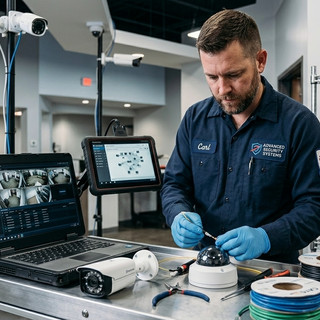
Appliance repair is a skill that combines technical knowledge with practical experience. As the demand for skilled technicians continues to rise, mastering the art of appliance repair becomes increasingly important. Whether you are just starting your journey or looking to refine your skills, this guide will provide you with essential training tips to help you succeed in the field.

Understanding the Basics of Appliance Repair
Before diving into advanced techniques, it is crucial to understand the fundamentals of appliance repair. Familiarize yourself with the various types of appliances, including:
Major Appliances: These include refrigerators, washing machines, dryers, ovens, and dishwashers.
Small Appliances: Items like microwaves, toasters, and coffee makers fall into this category.
Key Components of Appliances
Each appliance consists of several key components that technicians should know:
Electrical Systems: Understanding wiring, circuits, and electrical safety is essential.
Mechanical Parts: Familiarity with motors, belts, and gears will help in diagnosing issues.
Control Systems: Many modern appliances use electronic control boards, which require specific knowledge to troubleshoot.
Essential Tools for Technicians
Having the right tools is vital for any technician. Here are some essential tools you should have in your toolkit:
Screwdrivers: A variety of sizes and types, including Phillips and flathead.
Multimeter: For measuring voltage, current, and resistance.
Wrenches: Adjustable and socket wrenches for loosening and tightening bolts.
Pliers: Needle-nose and slip-joint pliers for gripping and bending wires.
Safety Gear: Gloves and goggles to protect yourself while working.
Training and Certification
While hands-on experience is invaluable, formal training can provide a solid foundation. Consider the following options:
Vocational Schools
Many vocational schools offer programs specifically for appliance repair. These programs typically cover:
Electrical theory
Appliance diagnostics
Hands-on repair techniques
Online Courses
For those who prefer flexibility, online courses can be a great option. Look for courses that offer:
Video tutorials
Interactive quizzes
Access to forums for peer support
Certification Programs
Obtaining certification can enhance your credibility as a technician. Organizations like the National Appliance Service Technician Certification (NASTeC) offer certification programs that cover:
Safety standards
Repair techniques
Customer service skills
Hands-On Experience
Nothing beats practical experience when it comes to mastering appliance repair. Here are some ways to gain hands-on experience:
Apprenticeships
Consider seeking an apprenticeship with an experienced technician. This will allow you to:
Observe real-world repairs
Ask questions and receive guidance
Gain confidence in your skills
Practice on Old Appliances
If you have access to old or broken appliances, use them as practice. Disassemble and reassemble them to understand how they work. This will help you:
Familiarize yourself with different components
Develop troubleshooting skills
Build confidence in your abilities
Troubleshooting Techniques
Troubleshooting is a critical skill for any technician. Here are some effective techniques to help you diagnose issues:
Systematic Approach
Adopt a systematic approach to troubleshooting:
Identify the Problem: Listen to the customer’s description and observe the appliance.
Gather Information: Check for error codes, unusual sounds, or smells.
Test Components: Use your multimeter to test electrical components and ensure they are functioning correctly.
Replace or Repair: Once you identify the faulty part, decide whether to repair or replace it.
Common Issues and Solutions
Familiarize yourself with common appliance problems and their solutions:
Refrigerator Not Cooling: Check the condenser coils for dirt and ensure the compressor is functioning.
Washing Machine Won't Spin: Inspect the drive belt and motor coupler for wear.
Oven Not Heating: Test the heating element and thermostat for faults.
Customer Service Skills
Technical skills are essential, but customer service is equally important. Here are some tips to improve your customer interactions:
Communication
Listen Actively: Pay attention to the customer’s concerns and ask clarifying questions.
Explain Clearly: Use simple language to explain the problem and the steps you will take to fix it.
Professionalism
Be Punctual: Arrive on time for appointments to build trust.
Dress Appropriately: Wear clean, professional attire to create a positive impression.
Staying Updated with Technology
The appliance repair industry is constantly evolving. To stay relevant, consider the following:
Continuous Education
Attend workshops and seminars to learn about new technologies and repair techniques.
Subscribe to industry publications for the latest news and trends.
Networking
Join professional organizations to connect with other technicians.
Participate in online forums to share knowledge and experiences.
Safety Practices
Safety should always be a priority in appliance repair. Here are some essential safety practices:
Electrical Safety
Always unplug appliances before working on them.
Use insulated tools to prevent electrical shocks.
Personal Safety
Wear gloves to protect your hands from sharp edges.
Use goggles to shield your eyes from debris.
Conclusion
Mastering appliance repair requires a combination of technical knowledge, hands-on experience, and strong customer service skills. By following these training tips, you can enhance your abilities and become a successful technician in this rewarding field. Remember, the key to success lies in continuous learning and adapting to new technologies. Start your journey today and take the first step toward becoming an expert in appliance repair.


Comments