
Step-by-Step Guidelines for Effective Appliance Repair Training
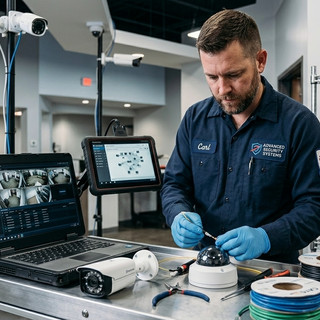
Appliance repair is a skill that can lead to a rewarding career or a valuable side hustle. With the increasing reliance on household appliances, the demand for skilled technicians is on the rise. Whether you are looking to start a new career or simply want to learn how to fix your own appliances, effective training is essential. This blog post will provide you with a comprehensive guide to appliance repair training, ensuring you have the knowledge and skills needed to succeed.

Understanding the Basics of Appliance Repair
Before diving into the specifics of appliance repair training, it is crucial to understand the fundamentals of how appliances work. Most household appliances operate on basic principles of electricity, mechanics, and thermodynamics. Here are some key concepts to grasp:
Electrical Systems: Understanding how electrical circuits function is vital. Familiarize yourself with components like resistors, capacitors, and circuit breakers.
Mechanical Systems: Many appliances have moving parts. Learn about gears, motors, and belts, as well as how they interact.
Thermodynamics: This is especially important for appliances like refrigerators and ovens. Understanding heat transfer and temperature control will help you diagnose issues effectively.
Types of Appliances to Focus On
When training for appliance repair, it’s beneficial to focus on the most common household appliances. Here are some categories to consider:
Kitchen Appliances: Ovens, refrigerators, microwaves, and dishwashers.
Laundry Appliances: Washing machines and dryers.
Small Appliances: Toasters, coffee makers, and vacuum cleaners.
By concentrating on these areas, you can build a strong foundation in appliance repair.
Finding the Right Training Program
Once you have a grasp of the basics, the next step is to find a suitable training program. Here are some options to consider:
Vocational Schools
Many vocational schools offer specialized programs in appliance repair. These programs typically include both classroom instruction and hands-on training. Look for schools that have a good reputation and experienced instructors.
Online Courses
If you prefer a more flexible learning environment, online courses can be a great option. Websites like Udemy and Coursera offer courses on appliance repair that you can complete at your own pace. Ensure that the course includes practical assignments to reinforce your learning.
Apprenticeships
Consider seeking an apprenticeship with an experienced technician. This hands-on experience is invaluable and allows you to learn in a real-world setting. You’ll gain insights into troubleshooting, customer service, and the business side of appliance repair.
Essential Tools for Appliance Repair
Having the right tools is crucial for effective appliance repair. Here’s a list of essential tools you should have:
Screwdrivers: A set of both flathead and Phillips screwdrivers in various sizes.
Wrenches: Adjustable wrenches and socket sets for loosening and tightening bolts.
Multimeter: A vital tool for diagnosing electrical issues.
Pliers: Needle-nose and regular pliers for gripping and bending wires.
Drill: A cordless drill can make disassembly and assembly much easier.
Investing in quality tools will pay off in the long run, making your repairs more efficient and effective.
Developing Troubleshooting Skills
Troubleshooting is a critical skill in appliance repair. Here are some steps to develop your troubleshooting abilities:
Step 1: Identify the Problem
Start by gathering information from the appliance owner. Ask questions like:
What symptoms is the appliance showing?
When did the problem start?
Has the appliance been making any unusual noises?
Step 2: Research Common Issues
Each type of appliance has common problems. For example, washing machines often have issues with drainage or spinning. Familiarize yourself with these common issues and their solutions.
Step 3: Test Components
Use your multimeter to test electrical components. Check for continuity, voltage, and resistance. This will help you pinpoint the faulty part.
Step 4: Replace or Repair
Once you’ve identified the problem, decide whether to repair the component or replace it. Sometimes, replacing a part is more cost-effective and ensures the appliance will function properly.
Hands-On Practice
The best way to learn appliance repair is through hands-on practice. Here are some ways to gain practical experience:
Work on Your Own Appliances
Start by repairing your own appliances. This will give you the opportunity to apply what you’ve learned without the pressure of a customer waiting for a fix.
Volunteer
Consider volunteering with local charities or community organizations that provide appliance repair services. This will allow you to gain experience while helping others.
Join Repair Workshops
Look for local workshops or community colleges that offer hands-on training sessions. These workshops often provide access to various appliances and experienced instructors.
Building Customer Service Skills
In addition to technical skills, customer service is a vital aspect of appliance repair. Here are some tips to enhance your customer service skills:
Communication: Be clear and concise when explaining issues to customers. Avoid using technical jargon that may confuse them.
Empathy: Understand that appliance issues can be stressful for customers. Show empathy and reassure them that you will do your best to resolve the problem.
Follow-Up: After completing a repair, follow up with the customer to ensure everything is working well. This builds trust and encourages repeat business.
Staying Updated with Industry Trends
The appliance repair industry is constantly evolving with new technologies and appliances. To stay relevant, consider the following:
Attend Workshops and Seminars: Participate in industry events to learn about the latest trends and technologies.
Join Professional Associations: Organizations like the United Appliance Servicers Association (UASA) offer resources and networking opportunities.
Read Trade Publications: Subscribe to magazines and online publications that focus on appliance repair and technology.
Conclusion
Effective appliance repair training requires a combination of theoretical knowledge, hands-on practice, and customer service skills. By following these guidelines, you can build a successful career in appliance repair. Remember to stay curious, keep learning, and embrace the challenges that come your way. With dedication and the right training, you can become a skilled technician who helps others keep their appliances running smoothly.
Take the first step today by enrolling in a training program or seeking hands-on experience. The world of appliance repair awaits you!


Comments